Laurence Belzile
Preview
photo credit: Laurence Belzile
Preview
photo credit: Laurence Belzile
Preview
photo credit: Laurence Belzile
Preview
photo credit: Laurence Belzile
Preview
photo credit:
Ces lieux où l’on fait trace
Centre d’art de Kamouraska, Kamouraska (QC)
2018
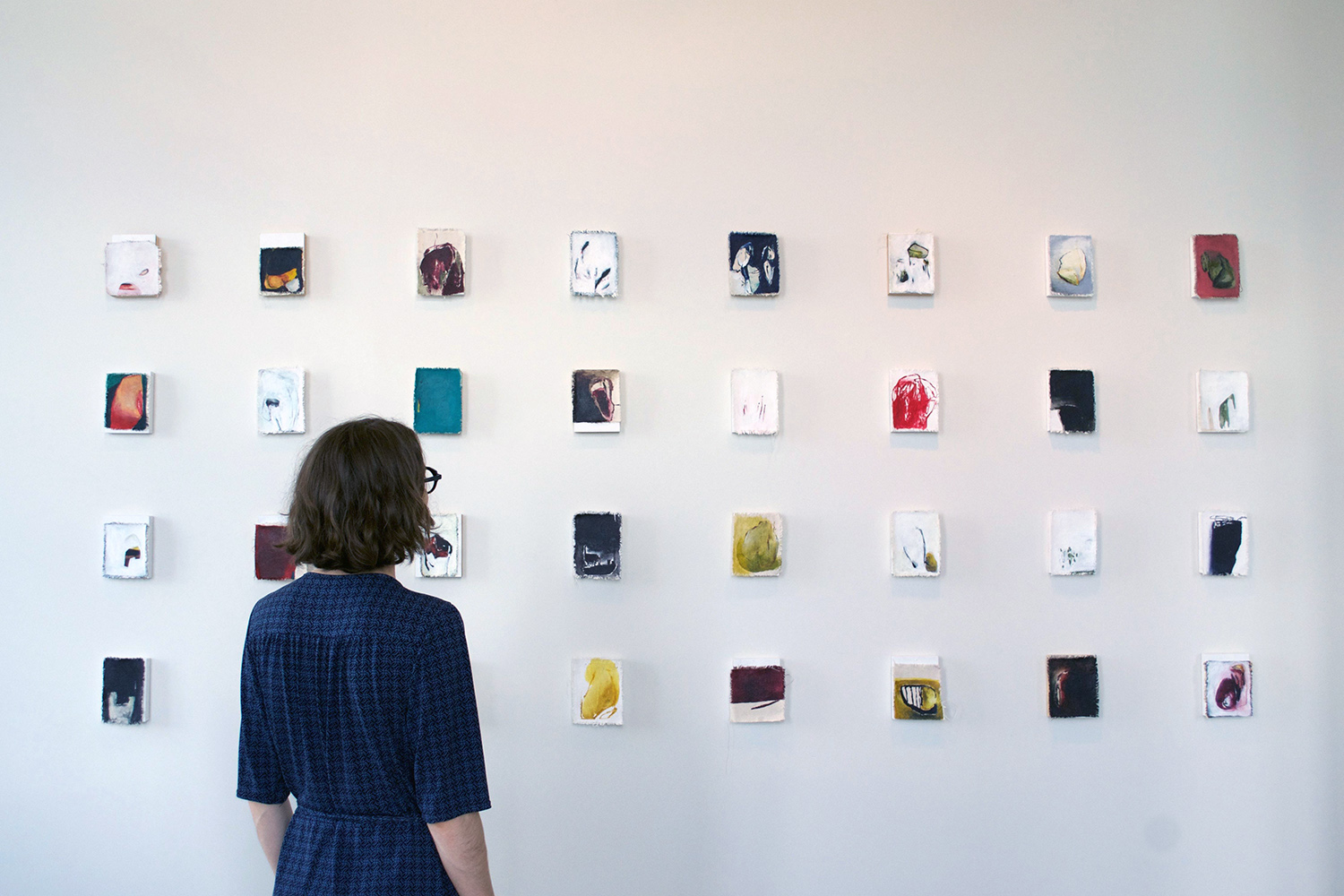
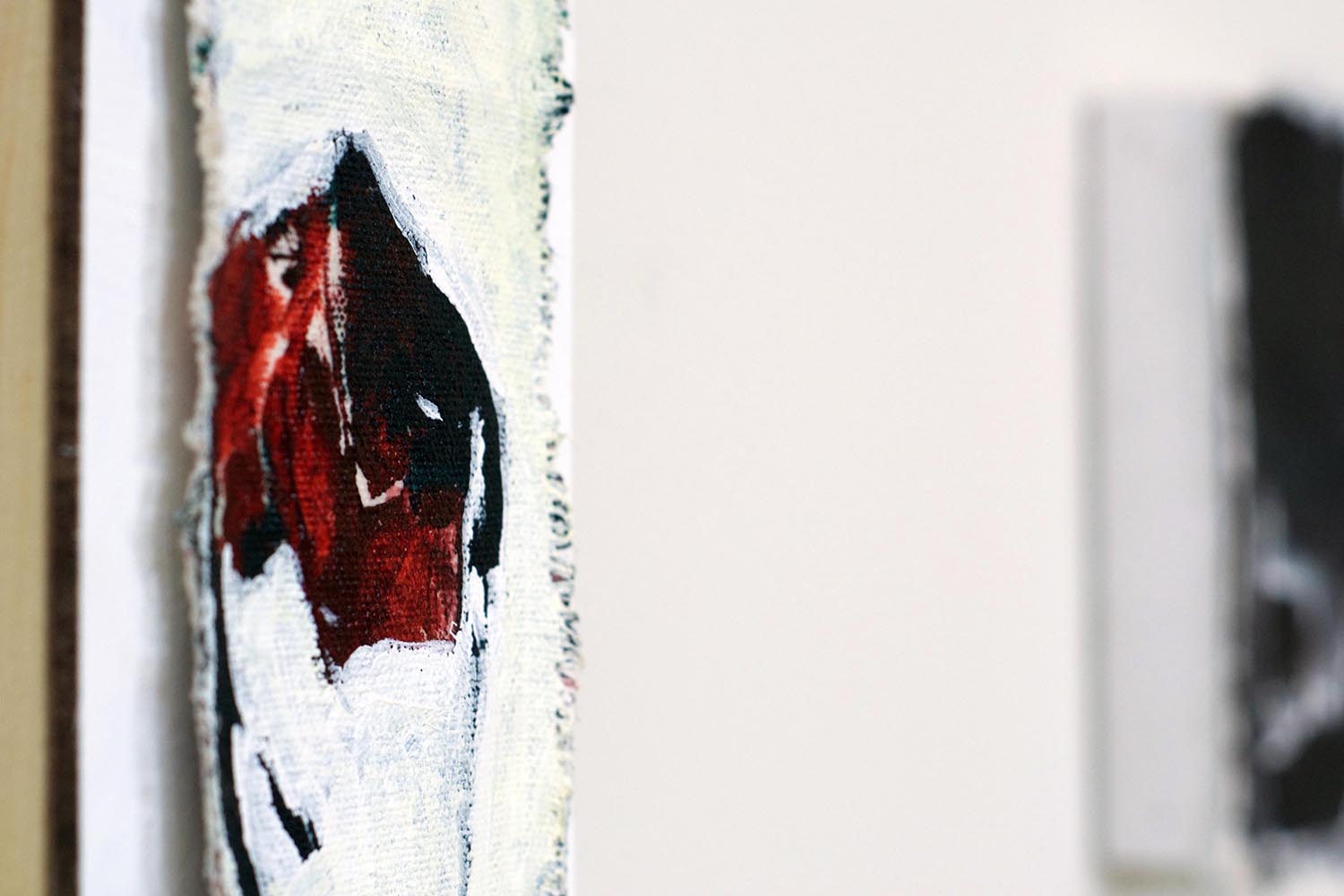
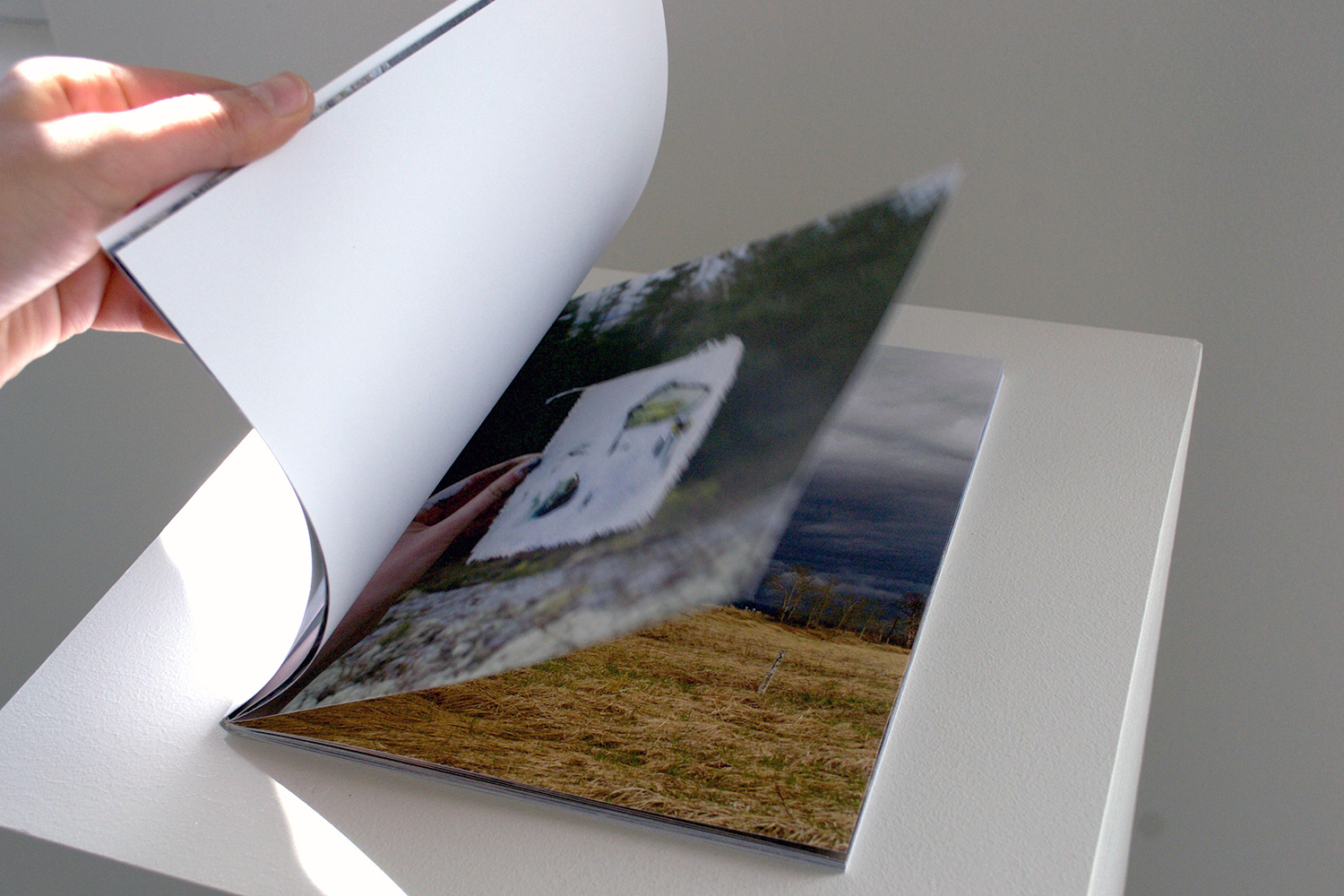
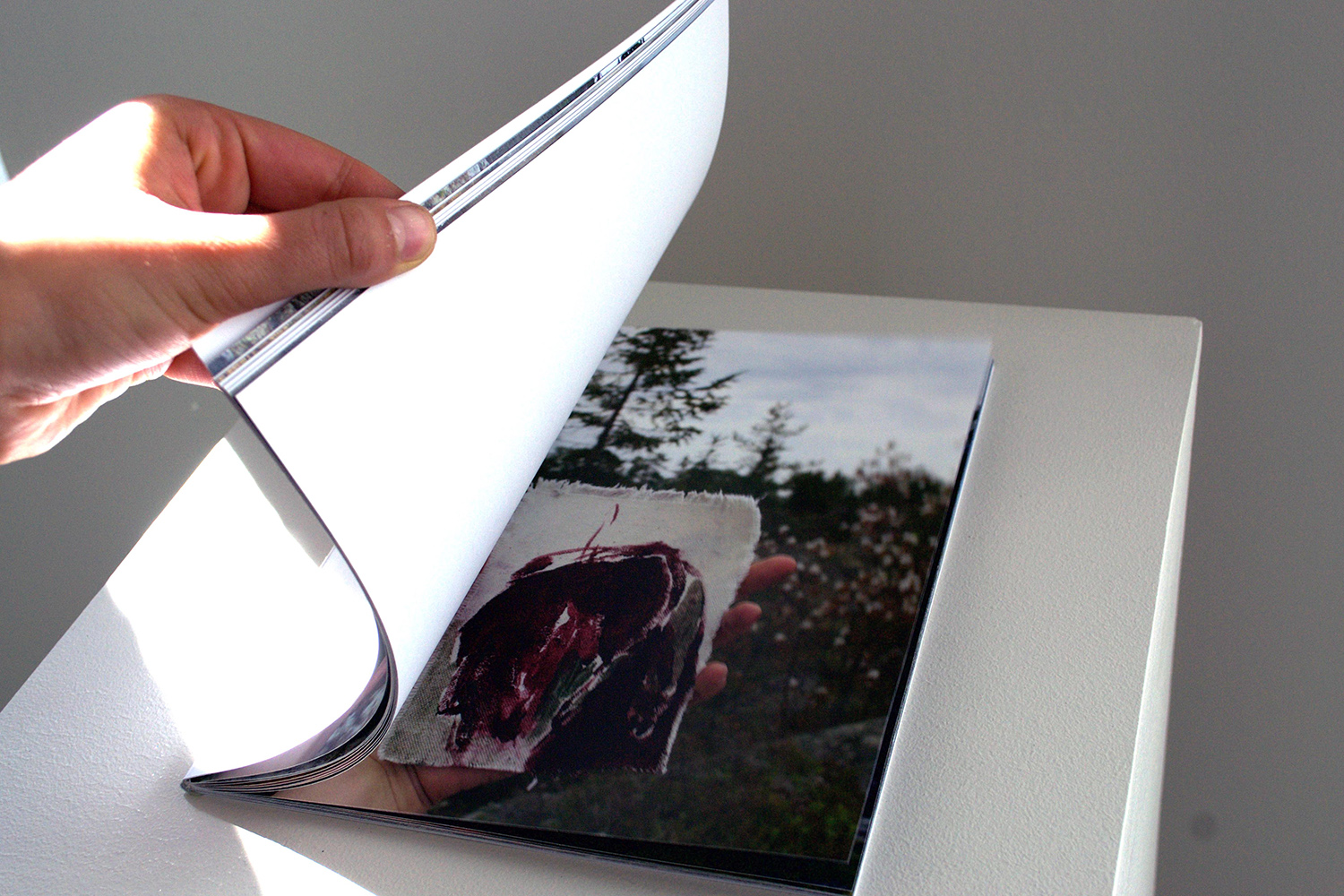
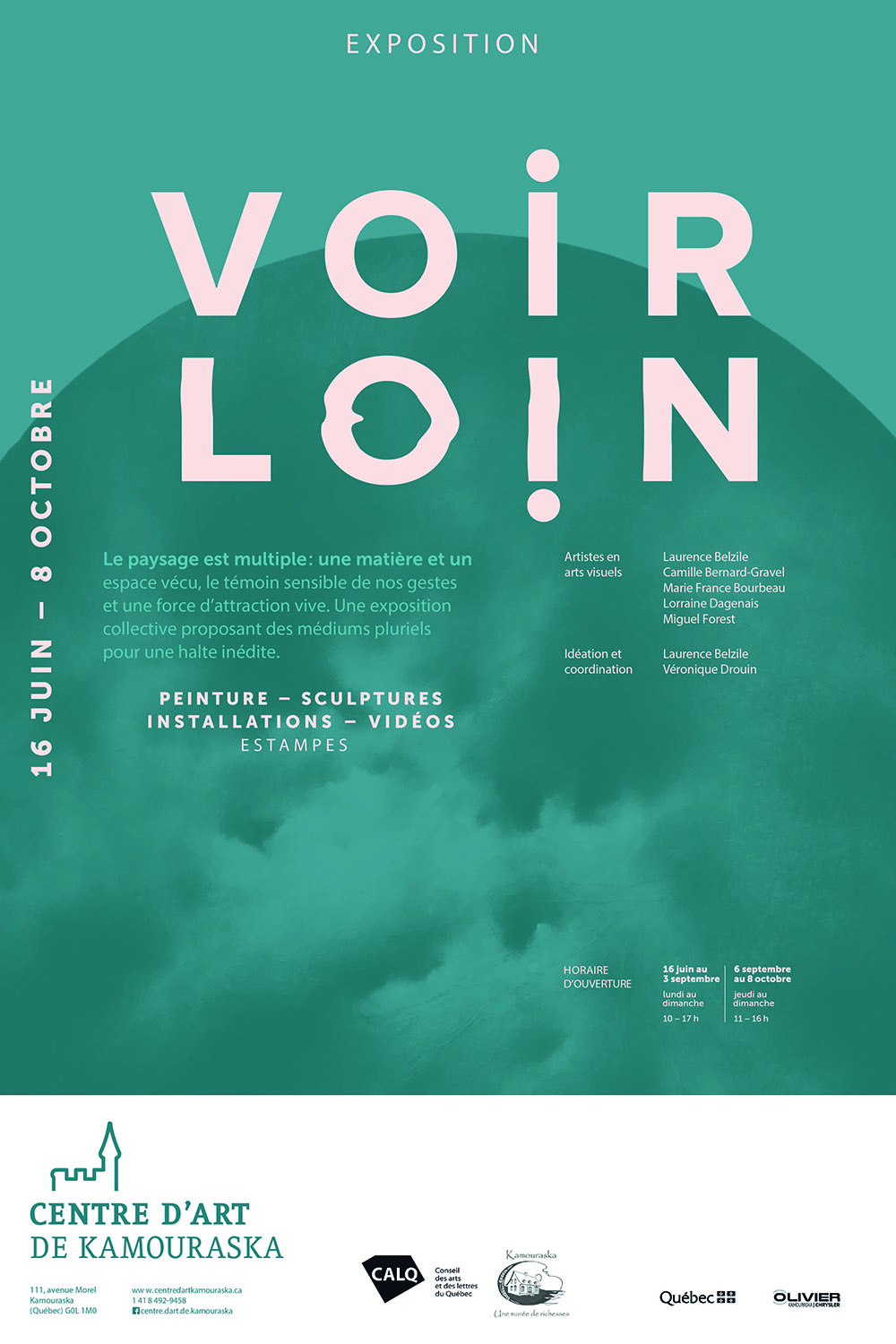
"Ces lieux où l’on fait trace" is a project combining painting and photography, created during an artist residency in Kamouraska in May 2018 and presented during the group exhibition “Voir Loin” at the Kamouraska Art Centre from June 16 to October 8, 2018. For more than a week, Laurence Belzile wandered without a fixed route, with the intention of discovering a new place to explore each day. Roaming this vast territory, from its river to its forests, the artist produced dozens of small pictorial works directly within the landscape. Unfolding in two distinct parts through the mediums used, "Ces lieux où l’on fait trace" presents an encounter between Belzile and the territory. More than just a documentation tool in this project, photography serves primarily to contextualize the works. It asserts the precise and concrete position of the artist within the surrounding space during the creation process. The pictorial works, on the other hand, attest to an interaction with the landscape. Their creation acted as an interposition during the artist's contact with the territory, thereby shaping her perception of the place she engaged with. Belzile thus created her works not with the intention of representing the landscape, but rather to bear witness to a lived experience. The resulting works, once presented, act as traces of an intimate dialogue with the traversed spaces; they offer a view of the evolution of an uncommon, yet tangible, relationship between the artist and landscapes transformed into places of creation. Through the spatial arrangement, Belzile proposed a multitude of connections between the works, where the reading of one complemented the other; their components associating to alter their perception. The understanding of each work extended far beyond its own boundaries. This decompartmentalization formed a complex environment with diverse interpretations, reflecting a territory that is composed and constructed through its various natural elements.